
Where Texas Code Requires GFCI Outlets
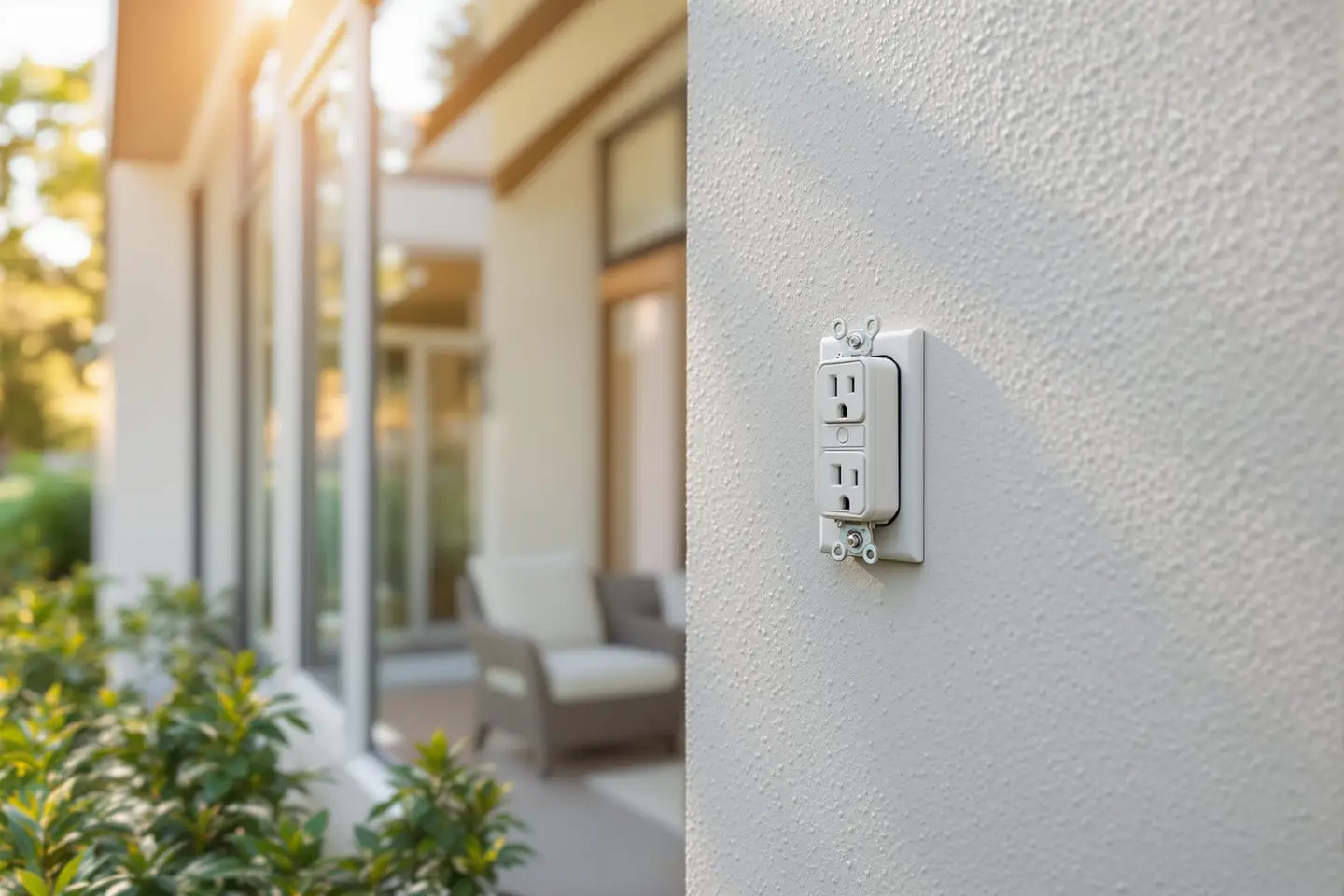
In the 2023 NEC, Section 210.8(A) requires GFCI protection for dwelling receptacles in bathrooms, garages and accessory buildings, outdoors, crawl spaces, basements (finished or not), kitchens, other food-preparation areas with a sink, within 6 feet of any sink, boathouses, within 6 feet of a tub or shower outside a bathroom, laundry areas, and indoor damp or wet locations. In kitchens it covers every receptacle, not only the countertop ones. Section 210.8(D) adds appliances including dishwashers, electric ranges, clothes dryers and sump pumps (Mike Holt, 2023 NEC 210.8). TDLR adopted the 2026 NEC effective September 1, 2026, with a limited exception for GFCI on certain outdoor outlets, the ones serving outdoor HVAC equipment. Your inspector enforces the edition your city has adopted. The CPSC notes the NEC typically applies to new construction and major renovations (CPSC GFCI fact sheet), so an older house is not required to retrofit, but NEC 406.4(D)(3) requires GFCI protection when a receptacle in one of these locations is replaced. We upgrade single outlets or whole rooms in one visit.
For the full list by NEC edition and city, read our GFCI code and cost guide.

What We Install
- GFCI outlets — kitchens, baths, garages, outdoor, and "no equipment ground" GFCIs for older two-prong circuits
- Standard, USB-C, and smart outlets — replacements and new additions, including dedicated 20-amp circuits for workshops and appliances
- AFCI and combination AFCI/GFCI devices — arc-fault fire protection for bedrooms and living areas
- Aluminum-wiring-safe installs — proper pigtail connectors for 1965–1973 DFW homes
Outlet dead, warm, or tripping and you don't know why? That's a diagnostic call — see our electrical repair service.
GFCI Outlet Installation by City
City pages with local permit and code notes: Dallas, Fort Worth, Arlington and Plano. For the code history and how to test a GFCI, read GFCI outlets: where code requires them and the cost.