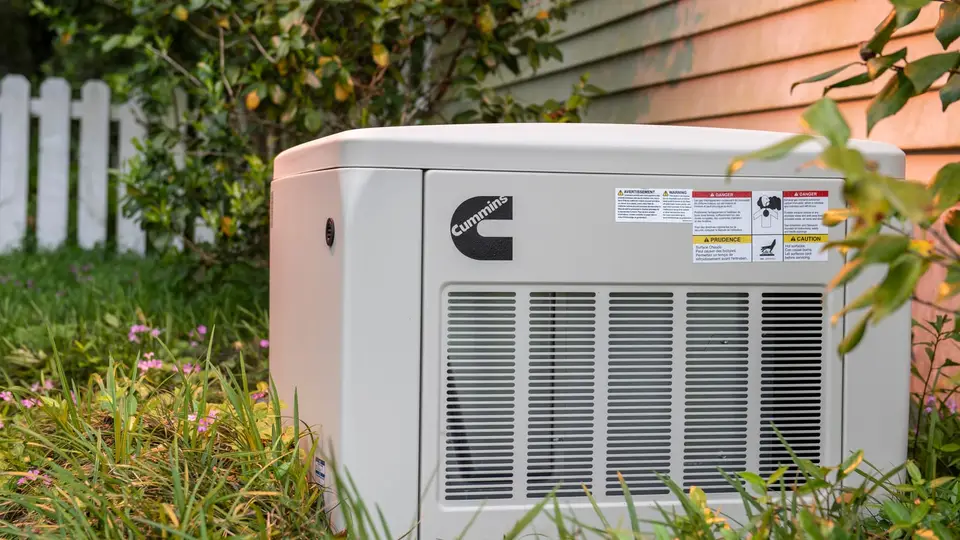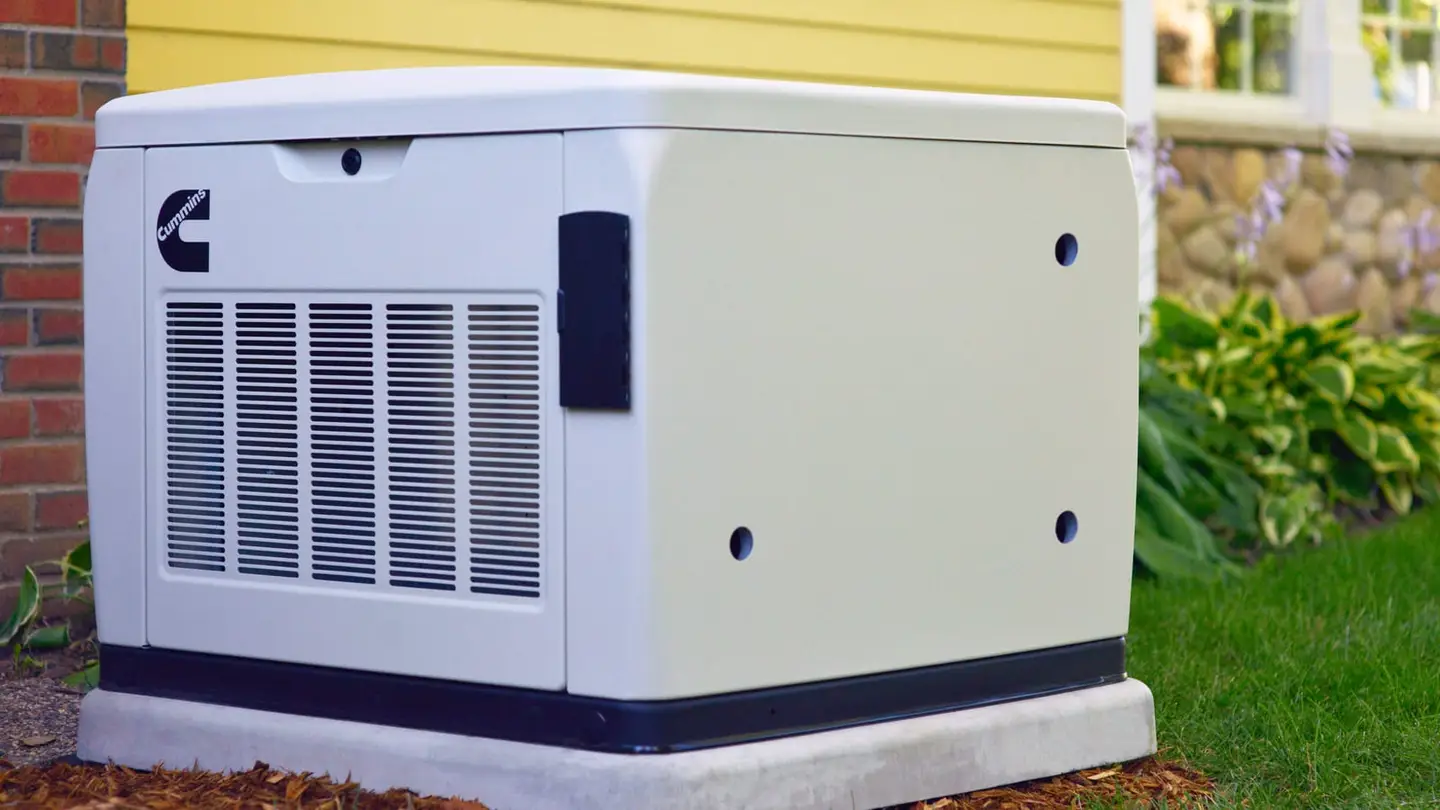
A typical complete Cummins 20 kW whole-house standby generator installation in Dallas–Fort Worth runs about $13,500–$17,000 all in, including the unit, automatic transfer switch, gas line connection, concrete pad, permits, and startup. Estimate only. Every installation is different; a site visit is required to determine whether your installation will cost less or more than this estimate.
This guide is part of our Standby Generator Installation service in Dallas–Fort Worth.
A typical complete Cummins 20 kW whole-house standby generator installation in Dallas–Fort Worth runs about $13,500–$17,000 all in: the unit, automatic transfer switch, gas connection, pad, permits and startup. Estimate only. Every installation is different; a site visit is required to determine whether your installation will cost less or more than this estimate.
Installed prices by generator size
| Generator size | Installed price (estimate) | What it typically runs |
|---|---|---|
| 13 kW air-cooled (Cummins RS13A) | $11,000 – $14,000 | Essential circuits: refrigerator, lights, furnace, one smaller AC with load management |
| 17 kW air-cooled (RS17A) | $12,500 – $15,500 | A typical home with a single AC system |
| 20 kW air-cooled (RS20A), typical whole house | $13,500 – $17,000 | Whole home, including central AC, in most 2,000–3,500 sq ft houses |
| 25 kW+ liquid-cooled (RS25 and up) | Quoted after survey | Larger homes, multiple HVAC systems, pools, workshops |
Estimate only. Every installation is different; a site visit is required to determine whether your installation will cost less or more than this estimate.
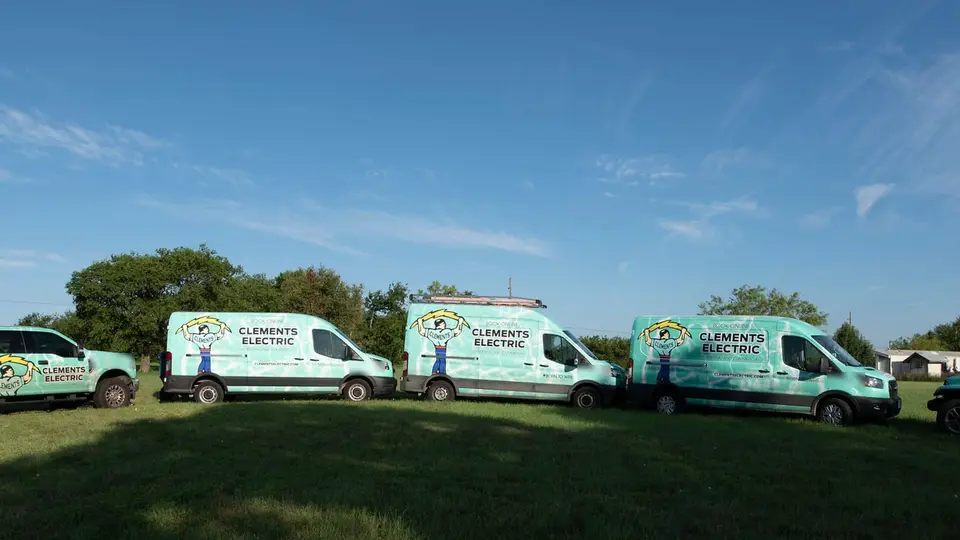
Equipment prices for every Cummins model are published at utselectricpros.com. Clements Electric installs Cummins as the electrical contracting arm of UTS ElectricPros, LLC, an authorized Cummins dealer, so the company that sells the unit is the company that installs it.
What the installed price covers
- Automatic transfer switch (ATS). It senses the outage, starts the generator and moves the house to generator power, then back when the grid returns. On Oncor service the transfer equipment goes on the load side of the meter.
- Gas connection. A licensed plumber runs and sizes the line from your meter to the generator. We hire and schedule the plumber on a turnkey job, or you can hire your own plumber or propane company to save money.
- Pad and placement. The unit sits level on a pad at the clearances Cummins and your city require.
- Electrical connection, permits and inspection. Our licensed electricians land the transfer switch and generator wiring. Texas SB 1202 now lets a homeowner use a qualified third party for review and inspection of a home generator (our SB 1202 guide).
- Startup and commissioning. The generator is run under load, the transfer sequence is checked, and the weekly exercise schedule is set.
Sizing: what does a DFW home need to run the AC?
In Texas the air conditioner usually decides the size. A compressor draws several times its running current for a moment as it starts, so the generator has to handle that starting surge, not just the running load. A load calculation on your actual equipment is how we size it.
As a rule of thumb: 13 kW covers essential circuits plus one smaller AC with load management. 17–20 kW air-cooled runs the whole home, central AC included, in most 2,000–3,500 sq ft DFW houses. Larger homes and homes with several HVAC systems move to the liquid-cooled range, which starts at 25 kW. Load management staggers compressor starts and often keeps a two-system home on an air-cooled unit. The generator sizing guide and generator size for 200-amp service go further.
Cooling type also changes the warranty. The Cummins air-cooled range carries a 5 year / 2,000 hour limited warranty (Cummins RS20A specification sheet), and the liquid-cooled RS range carries a 2 year standby base warranty. Compare that when you compare quotes.
Get a written installed price for your home.
On-site survey, load calculation, and a written quote with permit and startup included.
Whole-house generator cost FAQs
A typical complete 20 kW whole-house installation (Cummins RS20A) runs $13,500–$17,000 all in, including the automatic transfer switch, gas line, concrete pad, permits, and startup. Estimate only. Every installation is different; a site visit is required to determine whether your installation will cost less or more than this estimate. Smaller 13 kW essential-circuit systems and liquid-cooled RS25 and larger systems are quoted the same way, and equipment prices for every Cummins model are published at utselectricpros.com.
Yes, if it is sized for it. The AC's starting surge, not its running load, sets the requirement. A 17–20 kW air-cooled unit runs central air in most 2,000–3,500 sq ft DFW homes. A 13 kW unit typically needs load management or runs one smaller unit, and homes with several HVAC systems move to liquid-cooled 25 kW and up. We do a load calculation before recommending a size.
None while it sits idle, apart from its short weekly exercise run. In an outage, Cummins' specification sheet lists the RS20A at about 268 cubic feet of natural gas per hour at full load, and less at partial load. Your gas cost during an outage depends on how long it runs and how heavily it is loaded.
Inside city limits, yes: the electrical connection and the gas line are permitted and inspected, and some cities also set placement and setback rules. Under Texas SB 1202, a homeowner can now use a qualified third party for the review and inspection of a home generator. Clements Electric handles the permitting either way. See our SB 1202 guide.
We do not have a reliable figure for that, and we would be wary of anyone who quotes one. What a generator does do is keep the house powered, heated and cooled during an outage, which is why most people buy one.